
How Power Shapes Systems (And How Leaders Can Challenge It Ethically)
In episode 12 of Shifting to Ethical Systems, Jules Harrison-Annear examines how power protects itself: not through direct force, but through distraction, language, and silence. And why every ethical leader needs to be able to recognise these patterns in the systems they work within, and sometimes, uncomfortably, in themselves.
“Awareness isn’t the same as cynicism. Awareness is the first step toward choice. And choice is where ethical leadership begins.”
Power doesn’t announce itself. It doesn’t need to. It works through what gets named and what doesn’t.
Through which voices are in the room and which are quietly left out. Through the headlines that capture attention, while the harder, slower, more systemic harms continue beneath the surface.
The question every ethical leader needs to sit with is this: “What am I being asked not to see?”
And here are three reflections that stayed with us from this episode:
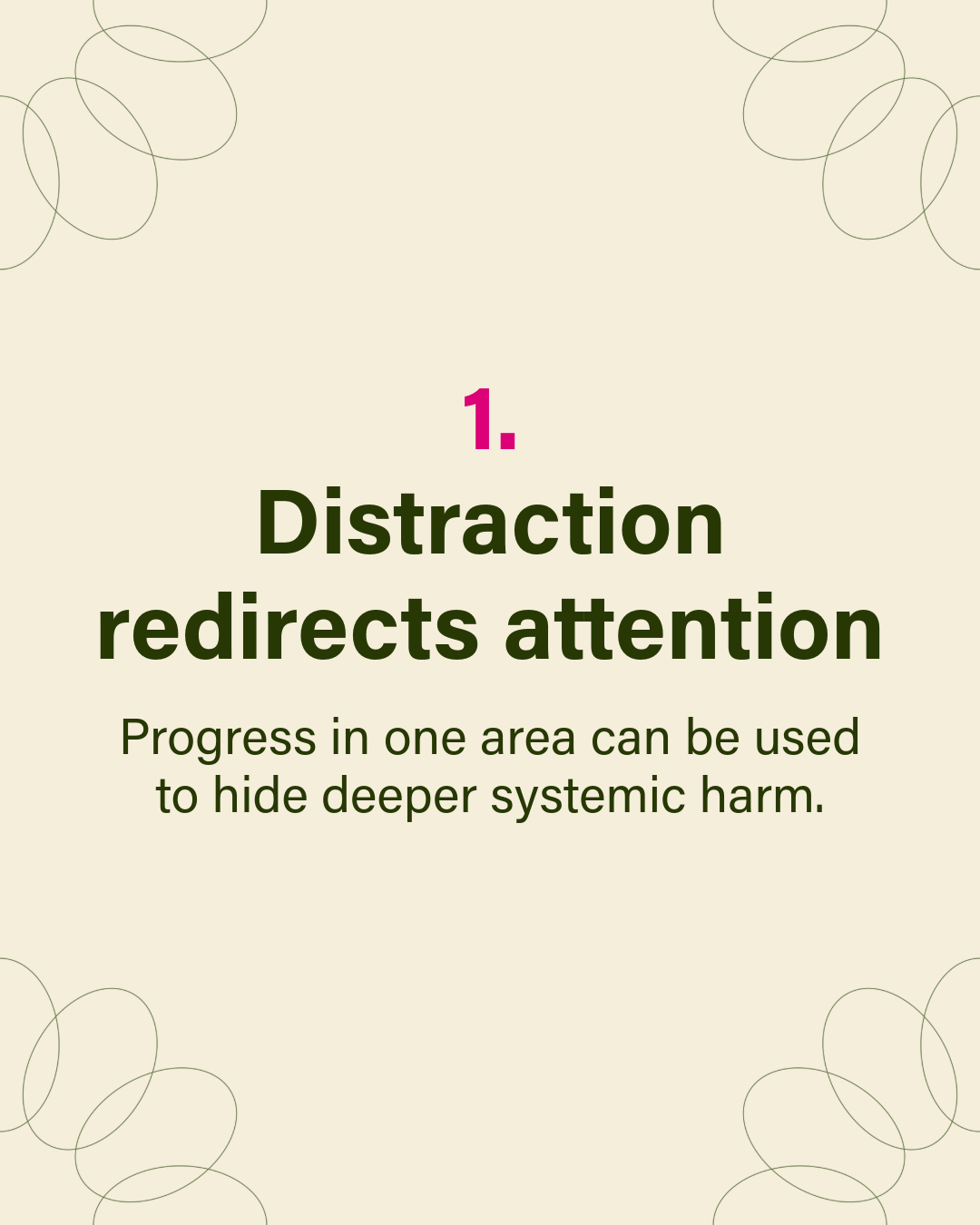
1) Distraction is a strategy, not a coincidence.
When power is threatened, it doesn’t surrender: it redirects. A splashy new initiative. An
emotionally resonant campaign. A spectacle that captures headlines. Ask yourself: where in my work is progress being celebrated on one issue, while a bigger, harder problem goes unaddressed?
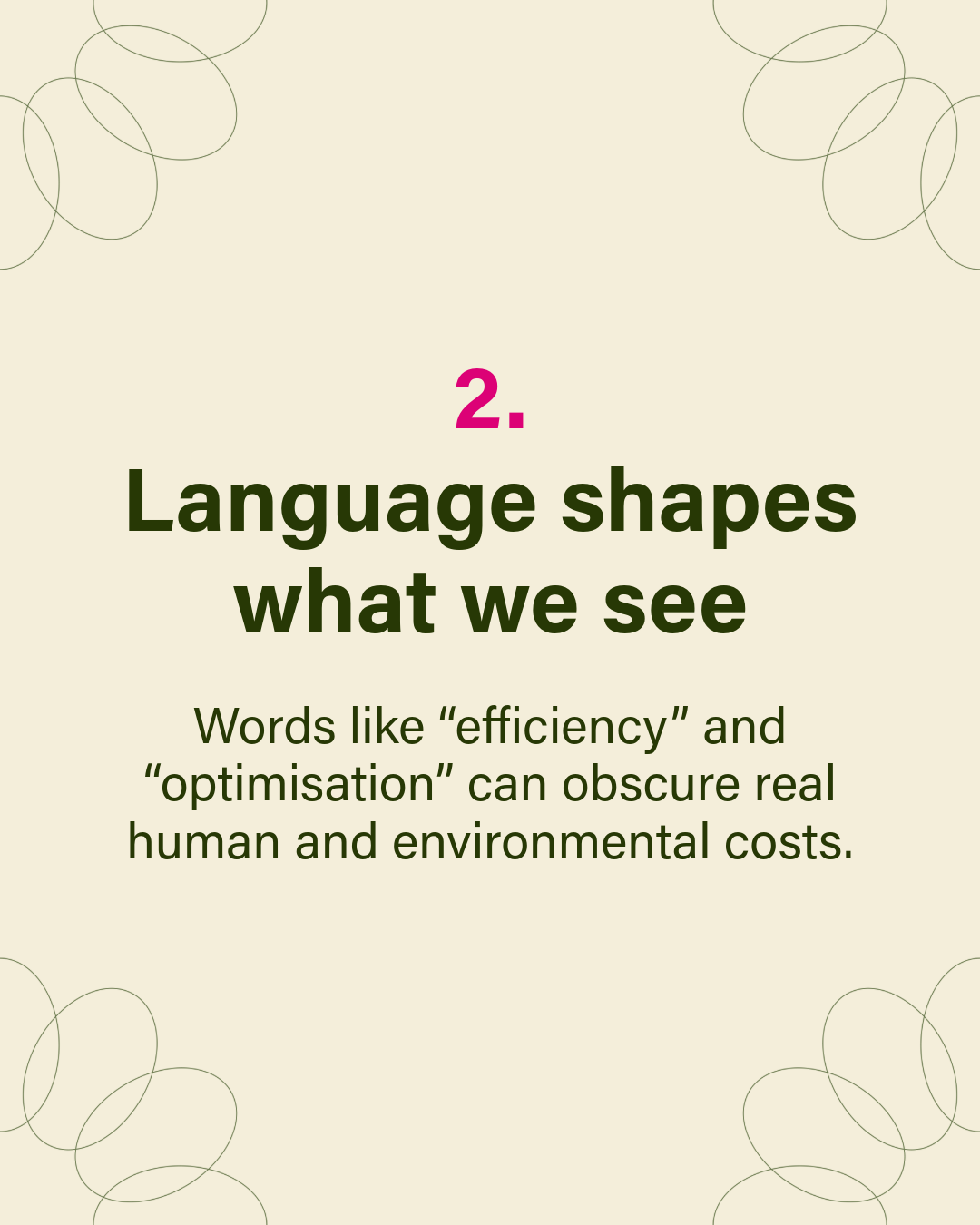
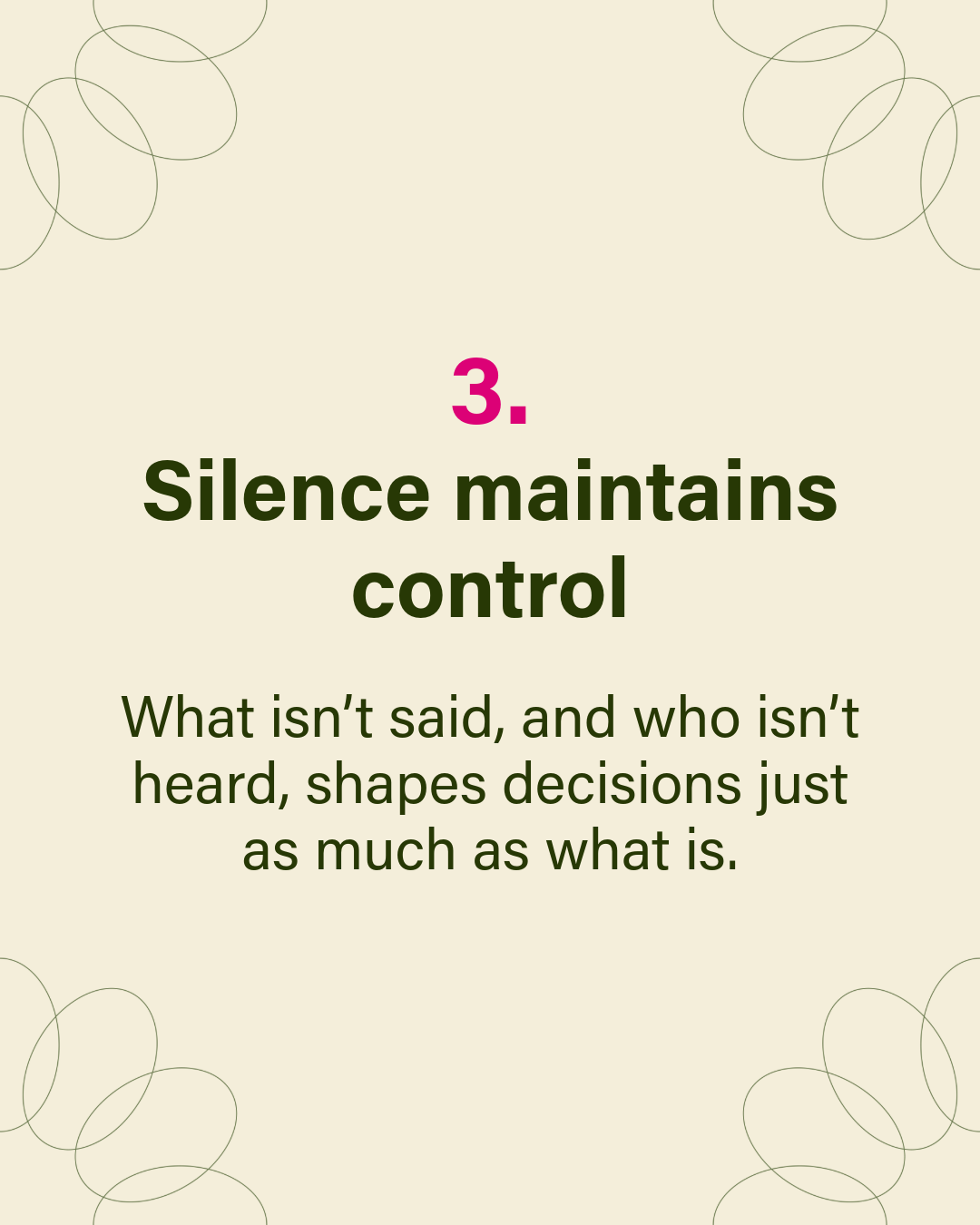
2) Language and silence are forms of power, too.
Words like “efficiency”, “streamlining”, and “optimisation” sound neutral. But they can obscure enormous human and environmental costs. And when certain voices are simply never invited into the room, their concerns can be dismissed as “not raised”. Every ethical leader must ask: What language am I using? Does it make things clear, or does it hide them? And whose voice is still missing?
3) Awareness is the beginning of choice, not the end of hope.
Recognising how power protects itself can feel paralysing. But awareness and cynicism are not the same thing. Awareness is what makes ethical leadership possible. Once you can see how power moves, you can choose to move differently: in your language, your decisions, your engagement with stakeholders, and in how you share decision-making authority.
Episode breakdown:
00:45 Power and Ethical Leadership
Why ethical leadership requires understanding how power operates, especially when it’s hidden, normalised, or under threat.
01:30 The Tension: Awareness vs Paralysis
Recognising power structures can feel overwhelming, but awareness creates choice, and choice is where ethical leadership begins.
03:08 Distraction as a Strategy
How power redirects attention through emotionally charged but secondary issues to avoid addressing systemic harm.
05:15 Language Shapes Reality
How “neutral” terms like efficiency and optimisation can obscure real human and environmental impact.
07:19 Silence as Power
Why what isn’t said matters just as much as what is, and how exclusion often happens quietly.
09:18 Shifting Everyday Leadership Choices
How recognising power changes how you communicate, design strategies, engage stakeholders, and make decisions.
11:25 Making Power Visible
Why ethical systems begin when we question power, who holds it, who benefits, and whether it creates a thriving future.
If this episode named something you’ve been sensing but couldn’t quite articulate, share it with someone who needs to hear it.
Because the moment we start naming how power moves, in our organisations, our language, our silence, is the moment we begin to reclaim our choices. And that’s where systems begin to shift.