
Shifting to Ethical Systems
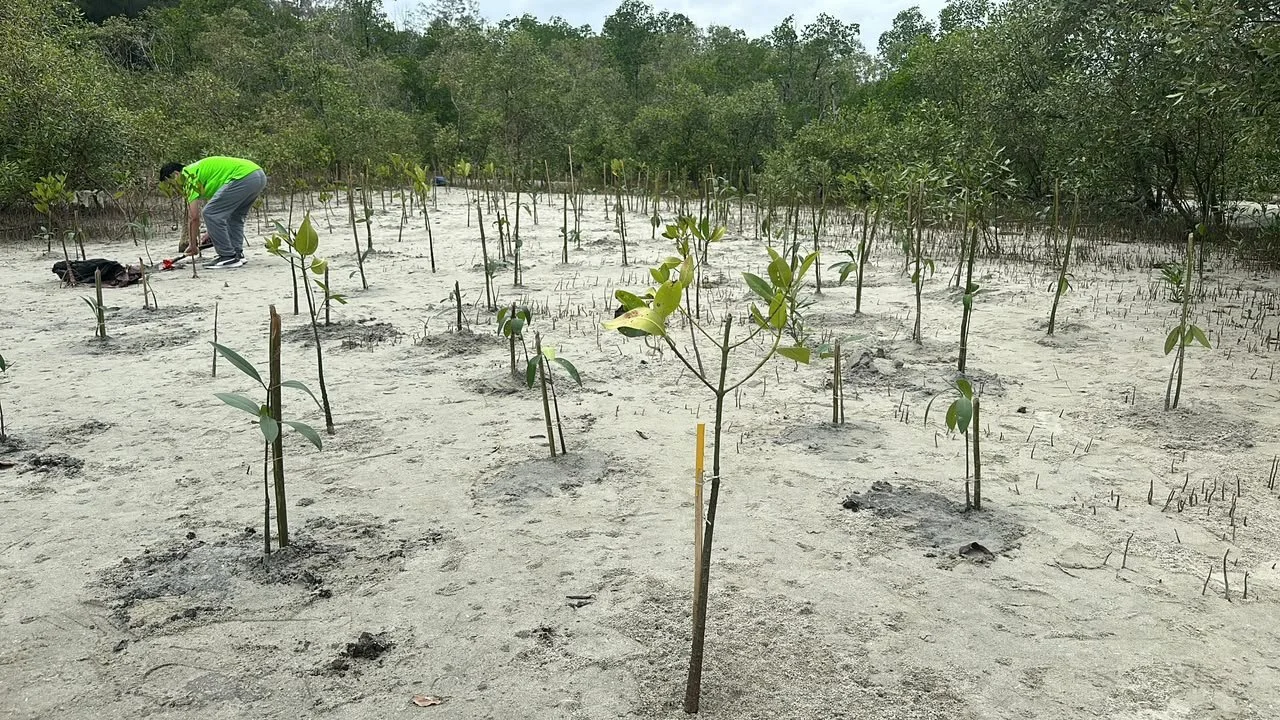
ClimateX and the JERICA Prize: What Early Support Makes Possible
How ClimateX, a 2025 JERICA Prize recipient through Moonshot Pirates, is taking drone- and AI-based mangrove monitoring from a pitch to a field test in Malaysia.

Nobody Made It Alone: Dismantling the Self-Made Myth
In episode 40 of Shifting to Ethical Systems, Esteban Fernandez Drovetta takes apart a story we tell so often it has started to feel like a fact: the story of the self-made person who built something from nothing and owes their success to no one.

Critical Thinking in the Age of AI: Why People Are Still the Investment
In episode 34 of Shifting to Ethical Systems, Esteban Fernandez Drovetta asks where intelligence actually lives in an organisation, a project, or an ecosystem. As our tools grow more capable, he keeps noticing that many leaders trust their own judgement less, and he thinks that is exactly the wrong direction.

Capital That Knows How to Wait: The Conditions That Make Patient Capital Real
In episode 33 of Shifting to Ethical Systems, Esteban Fernandez Drovetta moves past the idea of patient capital and into what it actually requires. Not as a philosophy, but as a set of conditions that either hold an investment relationship together or undermine it.

Rest as Resistance: Why Sustainable Leadership Requires You to Stop
In episode 27 of Shifting to Ethical Systems, Jules Harrison-Annear makes a case that lands somewhere uncomfortable for a lot of us: rest is not a productivity hack or strategic recovery. It is a non-negotiable part of ethical leadership, and a form of resistance against the extractive systems we are trying to change.

How to Identify Funding Opportunities That Match Your Values and Priorities
In episode 26 of Shifting to Ethical Systems, Jules Harrison-Annear turns to a question many leaders don't stop to ask: when someone offers to pay for the change you're trying to make, what does that actually mean?

The Art of Saying No: How Boundaries Build Integrity and Trust
In episode 20 of Shifting to Ethical Systems, Jules Harrison-Annear explores one of the hardest things ethical leadership asks of us, saying no, and why getting better at it protects the long-term integrity of what you're building.

Stubborn or Principled? Why Women Leaders Carry Extra Weight in Decisions
In episode 19 of Shifting to Ethical Systems, Jules Harrison-Annear explores something that comes up again and again in conversations with women leaders and female entrepreneurs. It's not just that decisions are hard. It's that the pressure around them is different.

How Small Everyday Decisions Shape the Business You're Building
In episode 18 of Shifting to Ethical Systems, Jules Harrison-Annear explores something that rarely looks dramatic in the moment: the small decisions we make when we're tired, busy, and just trying to get through the day.
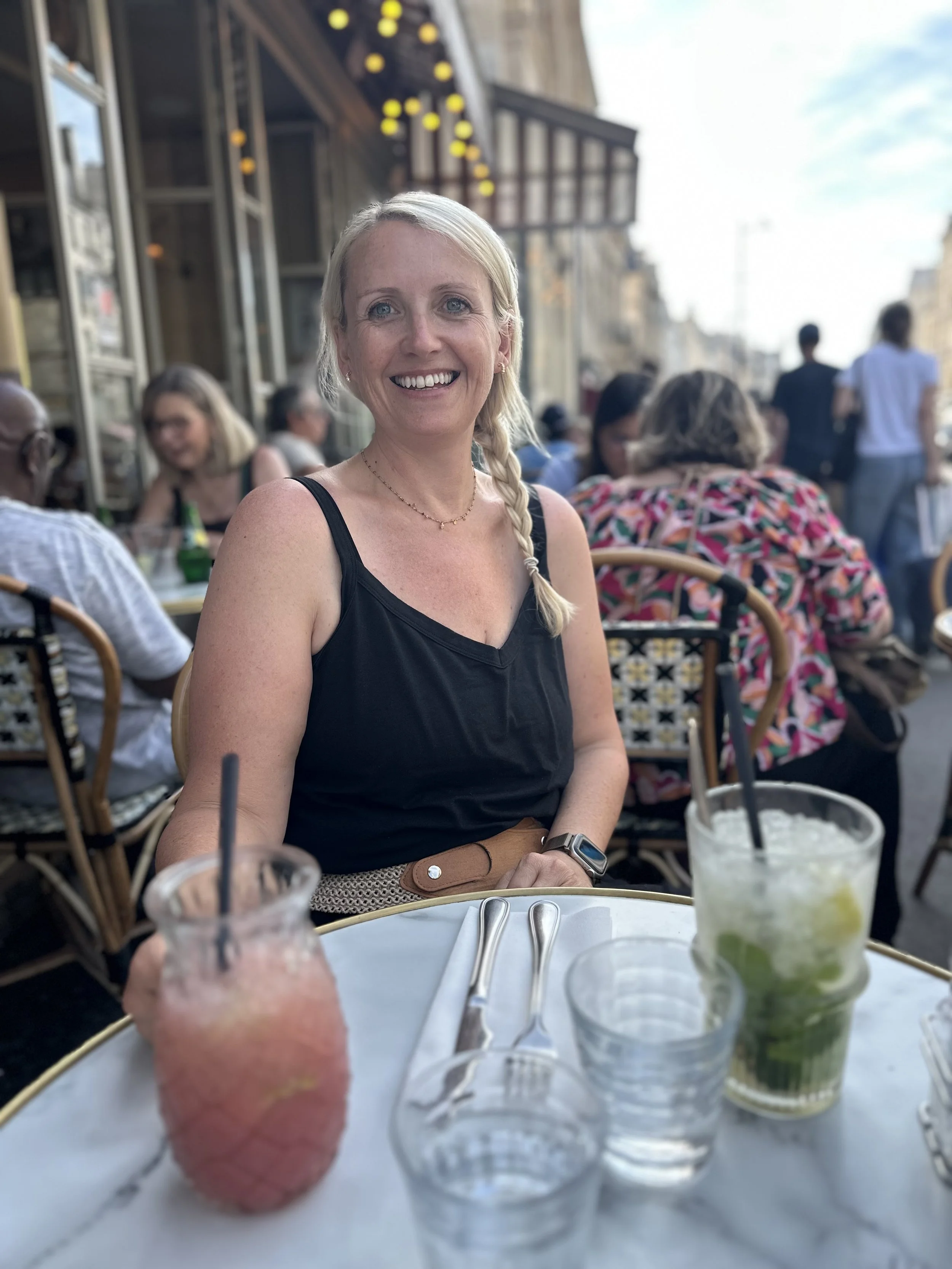
Value Driven Leadership and Human Connection at Work: Leading from the Inside Out
“Every person in an organisation holds a form of power: the power to act, and the power not to. The power to name something, or to stay quiet. The power to set a boundary and hold it, or to give it up in small increments because it feels easier in the moment.“
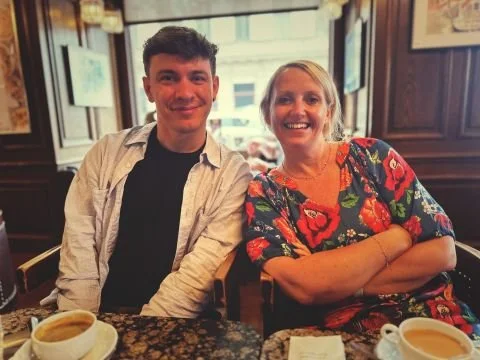
Intergenerational Community Gardening and Regenerative Relationships: What Grows When We Grow Together
“Communities that are growing food together, that have rebuilt relationships across generations, that have a shared stake in a piece of land — those communities make different decisions. They have different conversations. They produce different leaders.“

Decision-Making and Communication in Leadership: How to Lead Clearly in Uncertain Times
“In my experience, the leaders who communicate most effectively in difficult moments are the ones who are willing to say: here's what I know, here's what I don't, here's what we're doing and why, and here's how I want us to stay in contact as this develops.“

Collaboration and Organisational Structure: Moving Beyond the Familiar
“In my experience, the leaders who communicate most effectively in difficult moments are the ones who are willing to say: here's what I know, here's what I don't, here's what we're doing and why, and here's how I want us to stay in contact as this develops.“

How to Build Ecosystems That Don’t Depend on You
In episode 17 of Shifting to Ethical Systems, Esteban Fernandez Drovetta explores a tension many ecosystem builders quietly carry:
What happens if I step back?
When you’ve built the relationships, held the vision, and connected the system, it’s easy to feel like everything depends on you. But what if that’s exactly the risk?
The Hidden Cost of “Value for Money” (And What to Do Instead)
In episode 16 of Shifting to Ethical Systems, Esteban Fernandez Drovetta explores a question many leaders don’t stop to ask:
What does “value for money” really mean and who is paying the price?
Behind the pursuit of the lowest cost often sits a hidden reality: exploitation, environmental damage, and fragile systems that break under pressure.

Why Universal Design Drives Business Growth (Not Just Accessibility)
In episode 15 of Shifting to Ethical Systems, Jules Harrison-Annear explores universal design as a powerful business strategy — not just an accessibility feature. Because when you design for those who face the most barriers, you don’t just include more people. You create better systems for everyone.

Why Patient Capital Builds Stronger, More Resilient Systems
In episode 14 of Shifting to Ethical Systems, Jules Harrison-Annear explores what happens when investing shifts from speed to patience. Not passive waiting, but a deliberate choice to prioritise relationships, resilience, and long-term impact over rapid returns.

Leadership Ethics and Moral Courage: Leading with Integrity in a Changing World
Ethical leadership is no longer just about performance or results, it’s about making responsible decisions in complex and uncertain systems. It shows up in everyday choices: how leaders respond to pressure, balance short-term demands with long-term impact, and act with consistency even when there’s no easy answer.
Moral courage is what sustains ethical leadership. It means speaking up, holding boundaries, and staying grounded in your values despite uncertainty or pressure. Over time, these repeated decisions shape culture, trust, and the legacy leaders leave behind.

Change Management and Adaptability: Moving Beyond Short-Term Fixes
Change management is often treated as a temporary initiative, but organisations are constantly adapting to new technologies, expectations, and pressures. Many change efforts fail because they focus only on short-term fixes rather than deeper, interconnected challenges.
Lasting change requires a long-term vision: understanding what needs to improve, evolve, or be fundamentally redesigned. Change is not a one-time event, but a continuous process shaped by leadership, adaptability, and commitment.
Resilience and Personal Growth: Rebuilding from the Inside After Burnout
Burnout is more than exhaustion. It’s a gradual loss of energy, meaning, and connection to the work and life that once felt important. Recovery is rarely about returning to who you were before, it’s about rebuilding from the inside.
Resilience grows through reflection, curiosity, supportive relationships, and learning to recognise the limits of constant adaptation. Sustainable personal growth comes from creating space for recovery, setting healthier boundaries, and realigning effort with meaning, purpose, and long-term wellbeing.