
The Hidden Cost of “Value for Money” (And What to Do Instead)
In episode 16 of Shifting to Ethical Systems, Esteban Fernandez Drovetta explores a question many leaders don’t stop to ask:
What does “value for money” really mean and who is paying the price?
Behind the pursuit of the lowest cost often sits a hidden reality: exploitation, environmental damage, and fragile systems that break under pressure.
“When something is dramatically cheaper than alternatives, there’s a reason. And that reason is usually: someone else is absorbing the cost.”
The cheapest option often looks like good decision-making.
Efficient. Responsible. Smart.
But what if it’s not value… just cost shifted elsewhere?
Workers paid below living wages.
Communities dealing with pollution.
Ecosystems depleted faster than they can recover.
Ethical leadership asks a harder question:
Not just what does this cost?
But who is paying for it?
Because when we don’t see the full picture, we become part of the problem. Even with the best intentions.
And here are three reflections that stayed with us from this episode:
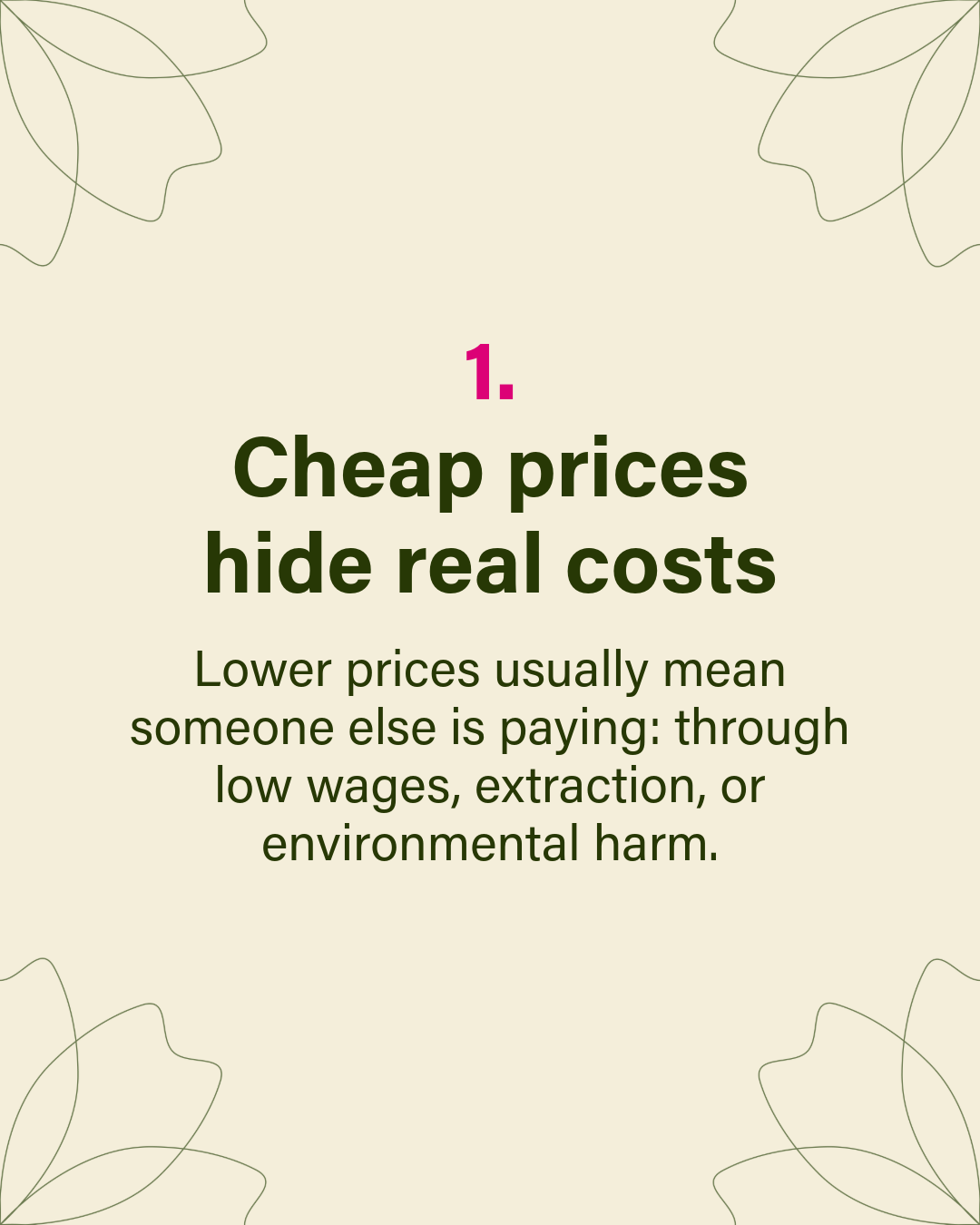
1) Cheap is rarely truly cheap
When prices drop dramatically, it usually means costs are being absorbed somewhere else: by people, communities, or nature. Ethical projects don’t externalise harm. They take responsibility for the full cost.
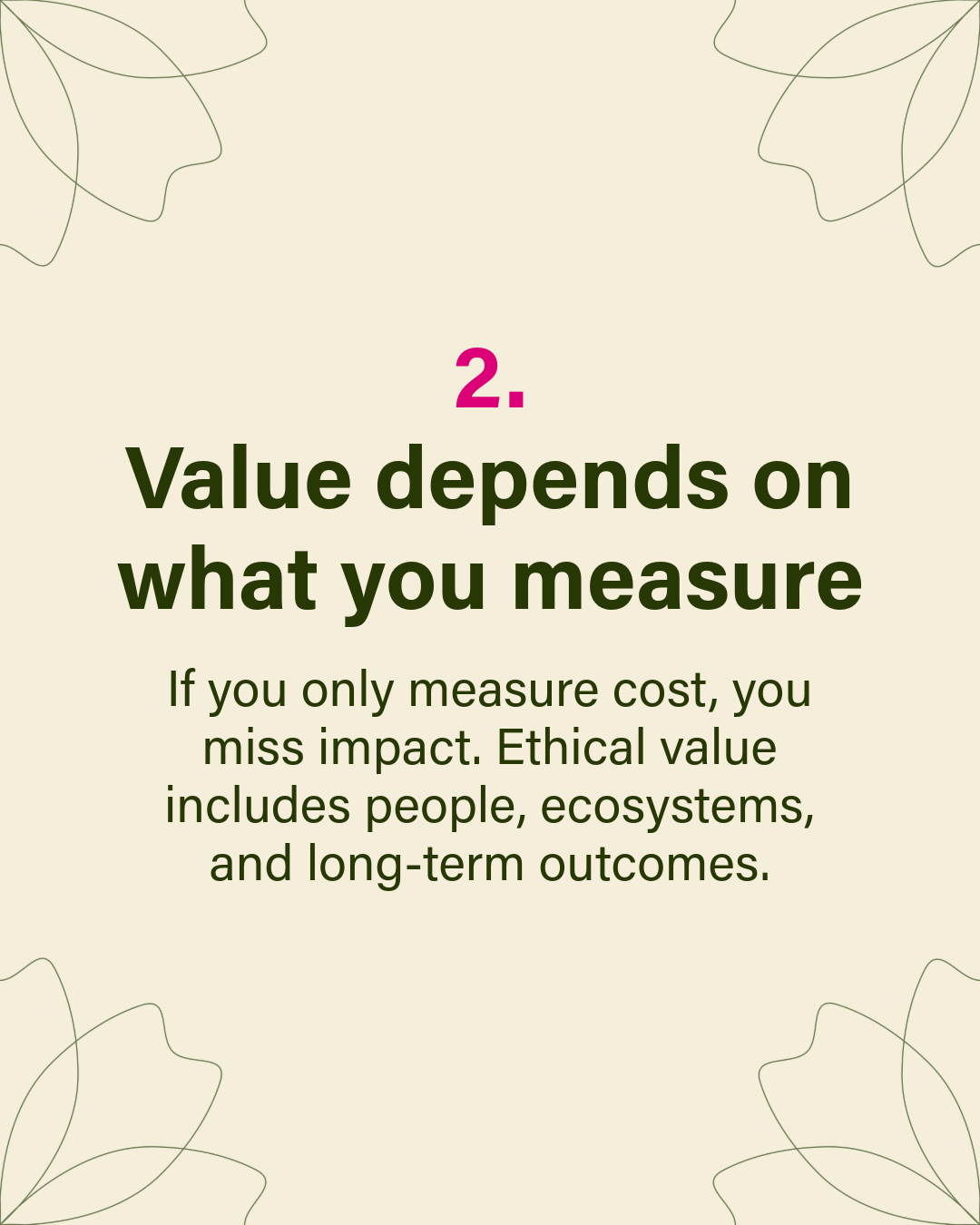
2) Value depends on what you measure
If you only measure financial cost, you miss everything else. Ethical supply chains expand the definition of value to include fair wages, environmental protection, and long-term sustainability.
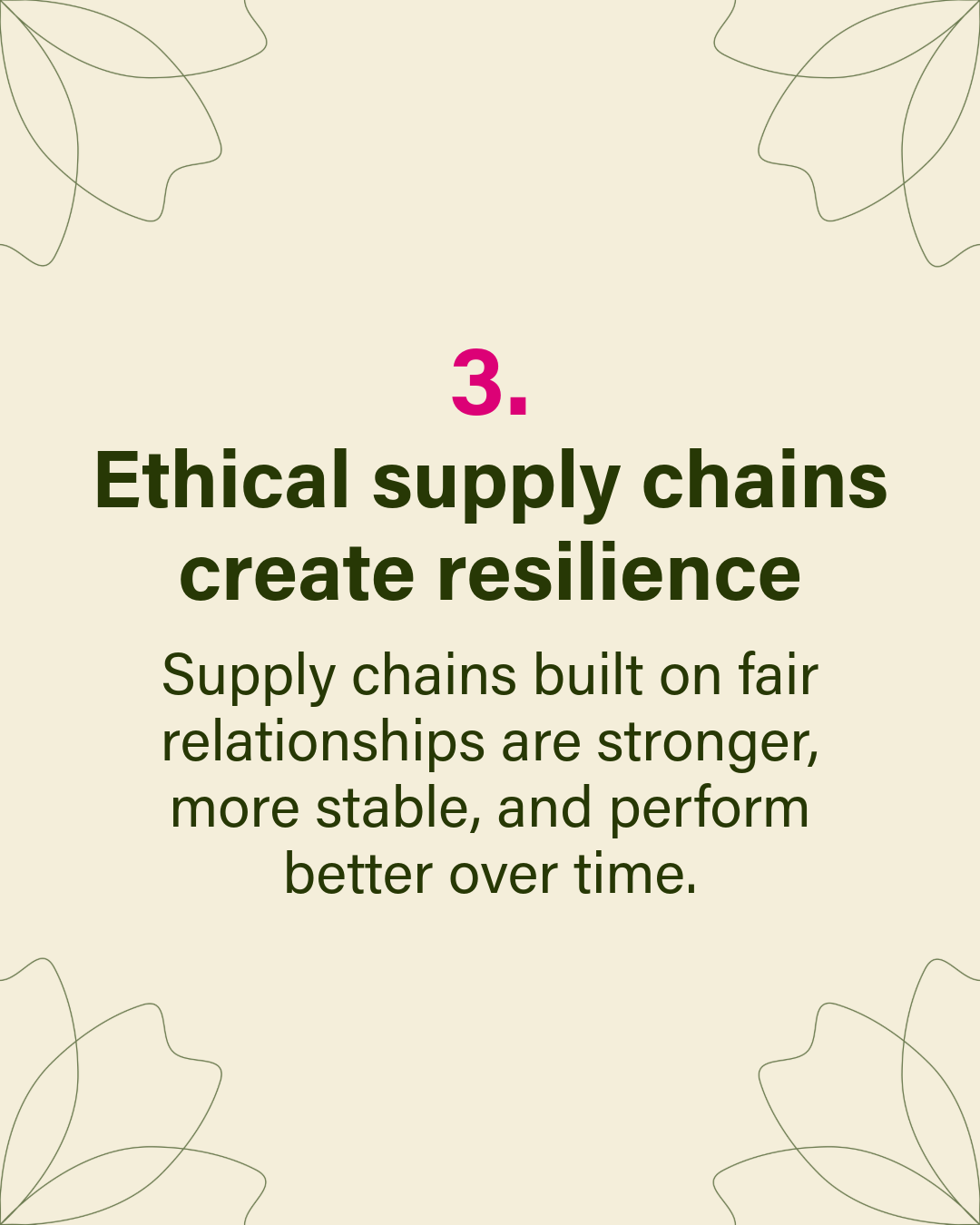
3) Ethical supply chains create resilience
Extraction creates fragile systems. Relationships create strong ones. When you invest in people, partners, and ecosystems, your supply chain becomes more stable, especially in times of disruption.
Episode breakdown:
00:44 Rethinking “Value for Money”
Why cost optimisation often hides human and environmental impact.
02:05 The Tension: Cost vs Ethics
Balancing budget pressure with the responsibility to avoid exploitation.
02:57 The Problem with Cheap Supply Chains
How low-cost sourcing often hides fragility and harm.
04:48 Building Supplier Ecosystems
Why relationships — not transactions — create stronger supply chains.
06:48 The Hidden Cost of Cheap
Why the lowest price often means someone else is absorbing the cost.
08:18 Redefining Value
How ethical projects measure more than financial cost — including people and planet.
09:33 Ethics Create Resilience
Why ethical supply chains outperform extractive ones in times of disruption.
10:45 Changing Supply Chain Practice
How sourcing, budgeting, and partnerships shift when ethics are prioritised.
If this episode challenged how you think about cost, share it with someone designing projects, managing budgets, or making sourcing decisions. Because “value for money” only works when we ask a deeper question: Value for whom?
And when we start answering that honestly, systems begin to shift.